Planning a Kenya safari that ends with a Bwindi gorilla trek? Start with the bwindi gorilla trek yellow fever rules, because one small document drives most of the planning. The rules are simple once you break them into a checklist. Use the order below.
The short version:
- Get the yellow fever vaccine at least 10 days before you enter Uganda.
- Carry the original International Certificate of Vaccination or Prophylaxis, not a photo.
- If you have a medical exemption, carry the official letter and confirm it with the airline.
- Factor the certificate into your Kenya-Bwindi border plan, not just your packing list.
- Stay home if you have a cough, fever, or runny nose.
Bwindi Gorilla Trek Yellow Fever Rules: Do You Need a Certificate?
Yes. Bwindi is in Uganda, and travellers should carry an International Certificate of Vaccination or Prophylaxis showing yellow fever vaccination when entering the country. Uganda may request the physical certificate at immigration. This can happen even on itineraries arriving directly from countries without yellow fever transmission, so keep the original yellow card with your passport.
Checks can happen before you reach the border. If you fly from Nairobi to Entebbe, airline staff may ask to see the certificate before boarding. If you drive through a land border such as Busia or Malaba, immigration officers may ask for it too. Keep the yellow card in your hand luggage, not in the bag you plan to check.
How Many Days Before Travel Should You Get the Yellow Fever Vaccine?
Get the yellow fever vaccine at least 10 days before entering Uganda. The certificate becomes valid from the tenth day after vaccination, so a last-minute dose may not satisfy airline or immigration checks. Book the appointment several weeks before a Kenya-Bwindi itinerary to allow for availability, side-effect monitoring and any medical consultation.
A clinic receipt or a note in your phone is not enough. Uganda and most airlines expect the official certificate. If you have an old yellow card from a previous trip, keep it. Most travellers do not need a booster under current international health rules.
What Yellow Card Does Uganda Accept?
Uganda accepts the official yellow International Certificate of Vaccination or Prophylaxis, commonly called the yellow card. A single valid dose is generally recognised for life under current international rules, so boosters are not normally required for entry. Carry the original, completed certificate rather than relying on a phone image or ordinary photocopy.
Make sure the certificate has your name, date of vaccination, vaccine batch number, and the stamp or signature of the authorised clinic. A partially completed card can slow you down more than no card at all, because border officers may treat it as unverified.
What If You Cannot Receive the Yellow Fever Vaccine?
If a medical condition prevents vaccination, ask an authorised vaccination centre or qualified clinician whether an official exemption letter is appropriate. Carry that documentation with your passport and travel papers. Confirm acceptance with Uganda’s authorities and the airline before departure because an exemption may require additional assessment at the border.
Do not assume a personal note from your family doctor will work on its own. Uganda entry requirements are stricter for health documents than for general medical letters. Start the conversation at a yellow fever vaccination centre, not at the border.
How Do the Yellow Fever Rules Affect a Kenya to Uganda Itinerary?
Plan to carry the certificate when travelling from Kenya to Uganda. Kenya is classified as a yellow fever-risk country. Uganda may check proof at an airport or land border, so keep the original yellow card accessible throughout a regional itinerary. Transit through other countries can add extra checks, so confirm each leg.
If you are planning a route that includes Uganda and Rwanda, read our Kenya Uganda Rwanda tourist visa explainer too. The visa simplifies some border steps, but it does not replace a health certificate. Keep the yellow card next to the visa in your travel wallet.
Bwindi has four main trailhead communities: Buhoma, Ruhija, Rushaga and Nkuringo. The yellow fever requirement is the same for all of them. What changes is the route. Wet-season road conditions can slow transfers to some sectors, especially those approached from the Rwanda side. Ask your operator for a route and timing plan that matches the season you travel.
Before you commit to an operator, go through the Bwindi gorilla operator checklist. That will help you compare how each operator handles the transfer, the permit, and the health briefing.
What Other Health Rules Protect Bwindi Mountain Gorillas?
Yellow fever paperwork is only one part of responsible trekking. Do not join a gorilla visit when you have a contagious respiratory illness. Follow ranger instructions, keep the required distance, and avoid touching or feeding gorillas. These precautions reduce the risk of transmitting human diseases to animals with limited immunity to common infections.
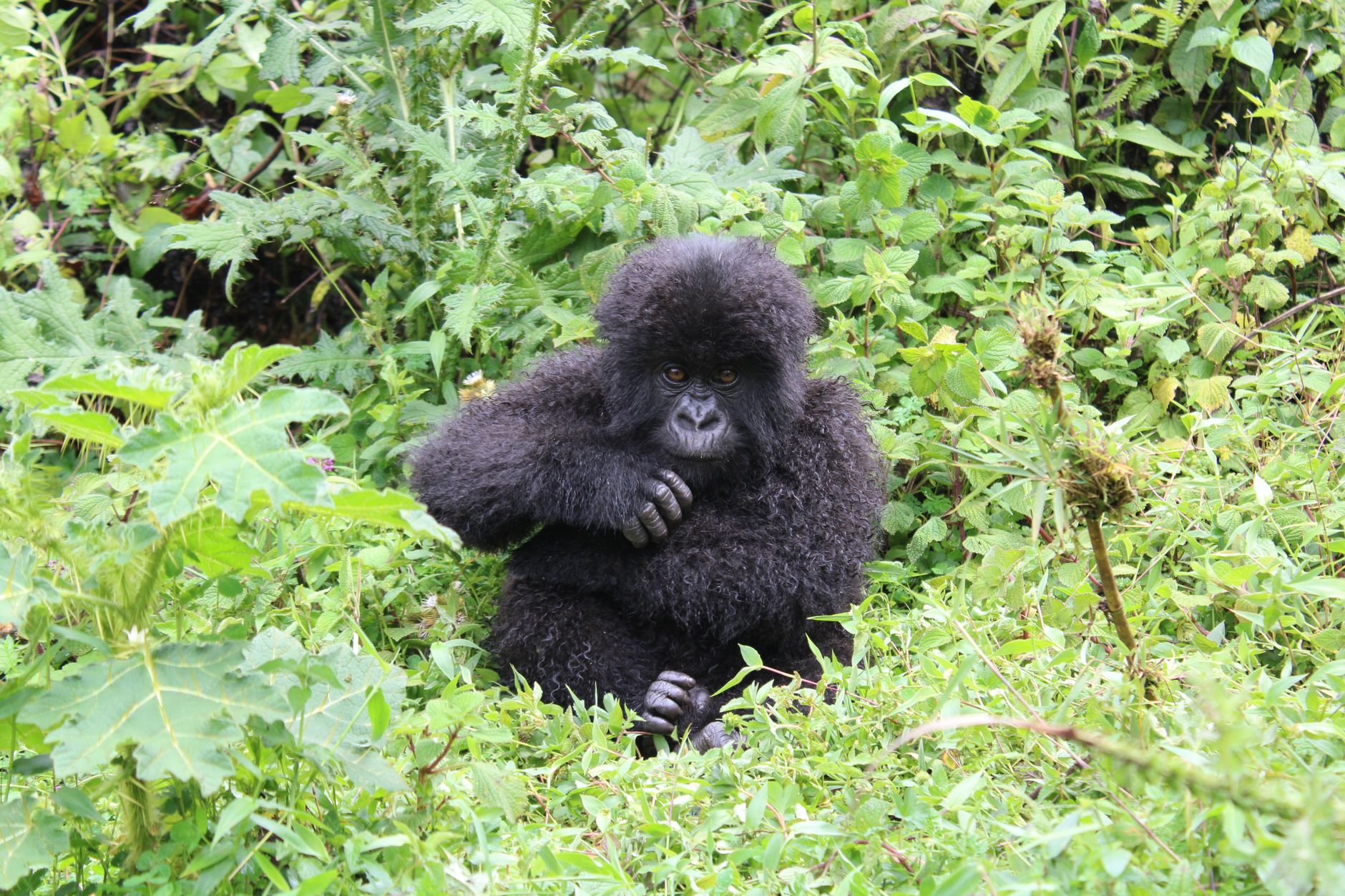
Mountain gorillas share a high percentage of human DNA, so a routine cold can be dangerous for them. Trek operators usually give a health briefing at the trailhead. Be honest about any symptoms. A missed trek is frustrating. A sick gorilla family is far worse.
Once the medical checklist is done, start planning the trek itself. A porter can make a steep muddy slope much safer. Read how to choose a gorilla trek porter before you arrive. Packing for the forest matters too. Think about what gloves to pack for Bwindi when you build your day bag.
Your Next Step: Compare Kenya and Bwindi Packages
Your next concrete action is to compare operators that combine a Kenya safari with a Bwindi gorilla trek. Browse packages from FindMySafari, Valley Safaris, or Trunktrails Safaris. Ask each operator three questions. Which Kenya parks will you visit? Which Bwindi sector fits your dates? How will the team handle wet-season road changes? Compare those answers before you choose a route. You can also start the conversation directly with TouringInsights at touringinsights.com.
More safari planning resources
- Kenya safari packages from SafariPure
- Best time to visit Kenya from Trunktrails Safaris
- Kenya tour packages from Valley Safaris
- Compare Kenya safari packages on FindMySafari